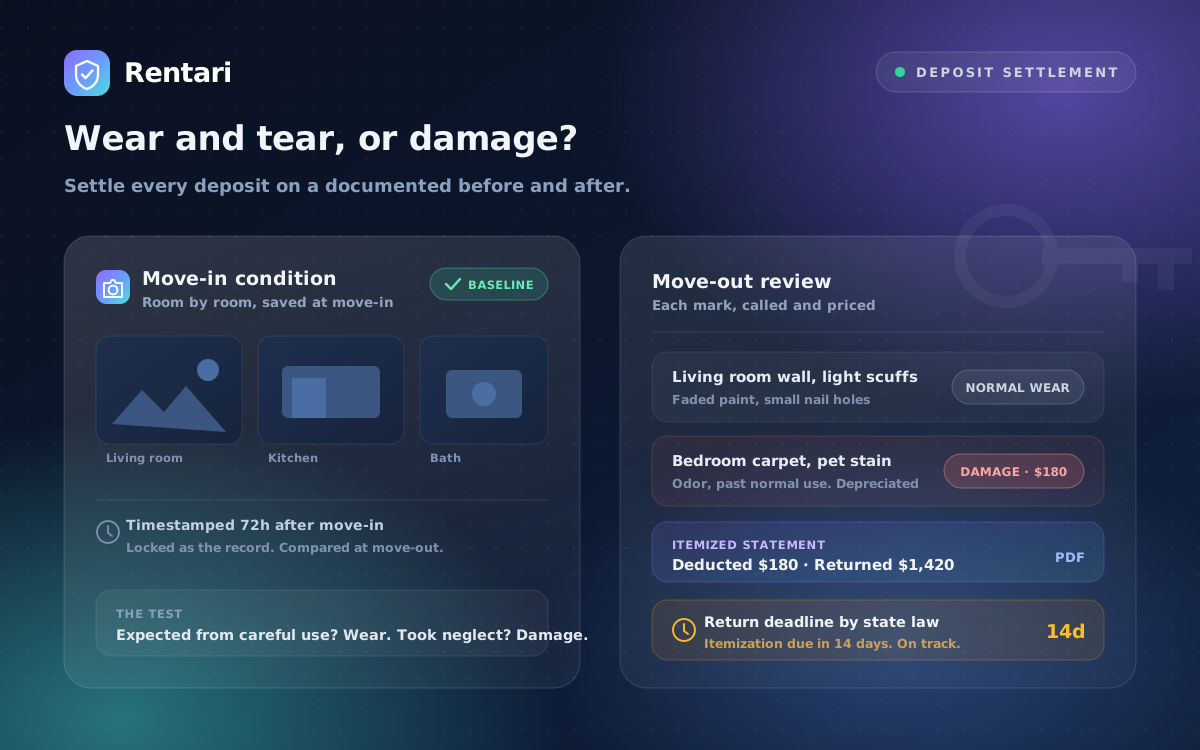
Almost every security-deposit fight comes down to one line: was it normal wear and tear, which you absorb, or damage, which the tenant pays for. Get the line wrong, or miss your state's itemization deadline, and you can owe the whole deposit back plus a penalty. Here is how to draw the line, document it, and settle a deposit you can actually defend.
The one distinction that settles most deposit disputes
Normal wear and tear is the gradual, expected decline that happens when a careful tenant simply lives in a unit. Damage is harm beyond that, caused by negligence, abuse, or an accident. You can deduct for damage. You cannot deduct for wear and tear, and in most states you cannot bill the tenant for the ordinary cost of turning the unit for the next renter either. Almost every deposit dispute is really an argument about which side of that line a given mark falls on, so the landlords who avoid disputes are the ones who can show, not just assert, where it falls.
What counts as normal wear and tear
These are the marks a reasonable tenant leaves just by living there for a year or two, and they are on you:
- Paint that has faded or lightly scuffed, and small nail holes from hanging pictures.
- Carpet worn along the traffic paths, or matted in front of the couch.
- Minor scuffs on floors and walls, a loose door handle, a window that sticks.
- Faded curtains or blinds, and grout or caulk that has dulled with age.
- A worn appliance seal or a fixture that has simply reached the end of its service life.
What counts as damage you can deduct
These go beyond ordinary use, and they are fair to charge against the deposit:
- Pet stains and odor in the carpet, or urine that has soaked the padding or subfloor.
- Large holes in the wall, or so many holes that the wall needs re-skimming.
- Burns, deep gouges, or water rings left by neglect on floors and counters.
- Broken windows, a missing door, torn screens, a cracked toilet tank.
- Filth well past a normal clean: grease-caked appliances, mold from an unreported leak, trash left behind.
The test a judge actually applies
Ask whether the condition is what you would expect from ordinary, careful use over the length of the tenancy. If yes, it is wear and tear and you absorb it. If it took negligence, abuse, or an accident, it is damage. Two more rules decide the number: you deduct the cost to repair, not to upgrade, and you must account for the age of what you are replacing. You cannot bill a tenant for a brand-new carpet when the one they wore out was already eight years into a ten-year life. Charge the depreciated value, not the full replacement.
Why the move-in photos decide who wins
The reason deposit arguments are so hard to win is that they happen months apart with no shared record. The tenant remembers the stain was there on day one. You remember it was not. Without dated proof of the unit's condition at move-in, it is one memory against another, and many states put the benefit of the doubt on the tenant. A dated, room-by-room photo record taken at move-in is the single most valuable thing you can have when a deposit is contested, because it turns the argument from he-said-she-said into a before-and-after you can both look at.
Rentari builds that record automatically. At move-in the tenant gets a short window to photograph the unit room by room, and those photos are saved as the condition baseline, timestamped and locked, before anyone can dispute them later. When the tenant moves out, you are comparing against a real record instead of a memory.
Itemize on time, or you may forfeit the deduction entirely
This is where careful landlords still lose. Nearly every state gives you a deadline to return the deposit with a written, itemized statement of what you kept and why. The window is commonly somewhere between 14 and 30 days after the tenant moves out, though it varies by state. Miss it, or send a vague "damages" line with no itemization, and many states make you forfeit the right to withhold anything at all. Some go further and let the tenant recover two or three times the amount you wrongly held, plus their attorney fees. A perfectly fair deduction can turn into writing a check for the full deposit and a penalty on top, purely because the paperwork was late.
How Rentari keeps a deposit deduction defensible
Rentari treats the deposit as a record, not a guess, from move-in to the final check:
- A move-in baseline. The tenant's room-by-room move-in photos are stored as the timestamped condition record you compare against at move-out.
- An AI read on wear versus damage. Upload a move-out photo and Rentari's damage detection gives you a plain read on whether it is ordinary wear or chargeable damage, with an estimated repair cost you can put straight into the itemization. You can try it free at the damage-detection tool.
- An itemized settlement tied to the deadline. Rentari builds the itemized deduction statement, tracks your state's deposit-return deadline with a countdown so you do not miss it, and gives the tenant a clear place to see the itemization and raise a dispute with evidence if they disagree.
The result is a deposit you settled on a documented before-and-after, itemized in writing, and returned inside the legal window. That is the version of a deposit deduction that does not come back to bite you.
This article is general information for landlords and property managers, not legal advice. Security-deposit caps, itemization requirements, return deadlines, and penalties for wrongful withholding vary by state and city and change over time. Confirm the rules for your jurisdiction and consult counsel on specific situations. Details are current as of the date of publication.