
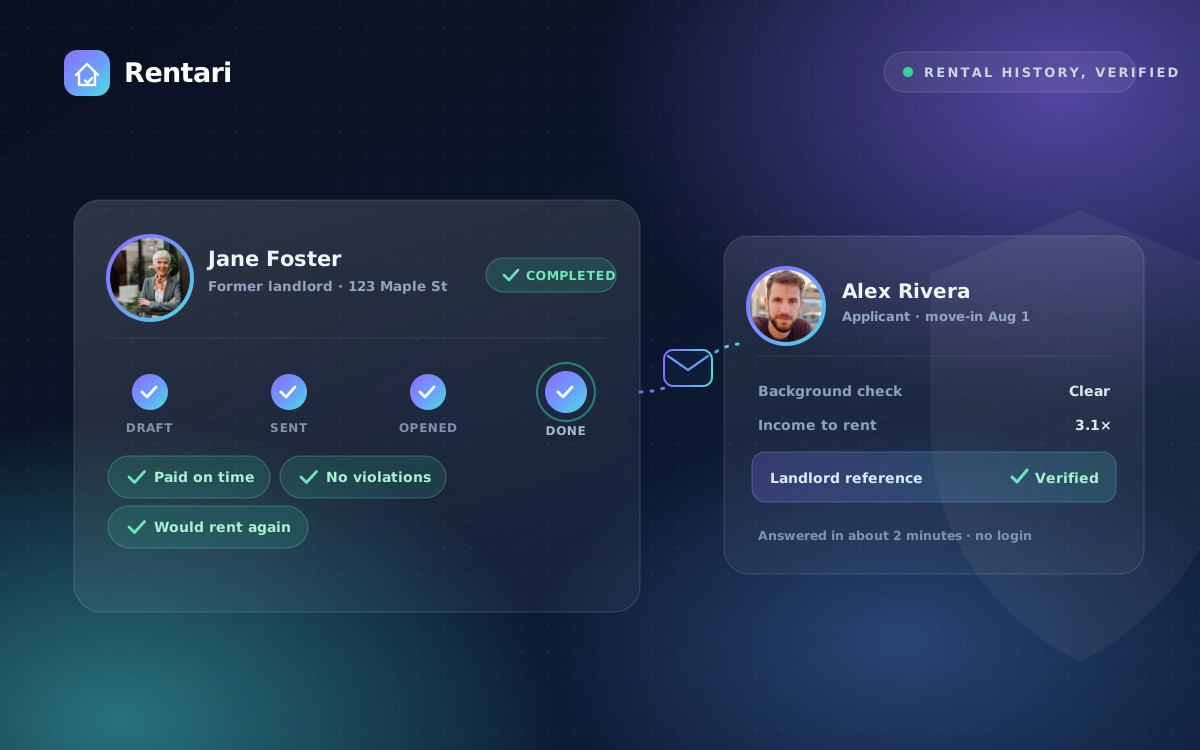
An application tells you what an applicant says about themselves. The truth about how they actually treat a home is with the people who rented to them before. Landlord Verification reaches those former landlords for you, asks the right questions, and brings the answers back onto the application in about two minutes.
The reference you actually want
Pay stubs, a credit score, a background check: all useful, all a picture of the past on paper. The one thing that tells you how someone actually lives in a home is the person who rented to them last. Did they pay on time? Did they take care of the place? Would you do it again?
Most landlords know this, and most never get the answer. You call the number on the application, leave a voicemail, and never hear back. Landlord Verification closes that gap. It reaches an applicant's former landlords for you, asks a consistent set of questions, and brings the answers back onto the application where you make the decision. You can see the whole flow here.
How it works
Three steps, and none of them is phone tag.
- Add the former landlords. Your applicant can list their prior landlords right on the application, or you can add a contact yourself. A name, an email, and the address they rented is all it takes.
- We send the questionnaire. Each former landlord gets an email with a secure link to a short, structured questionnaire. They answer on their phone in about two minutes. No account, no app, no password.
- The answers land on the file. You are notified the moment a response comes in. The full answers, plus quick flags for on-time payment, lease violations, and would-rent-again, sit right next to your background, credit, and income checks.
The questions that predict a good tenant
Every former landlord answers the same short list, so you compare applicants on the same signal instead of on whoever wrote the nicest reference letter:
- When did the tenancy start and end, and what was the rent?
- Did they pay on time, and if not, how often were they late?
- Were there lease violations, complaints, or bounced payments?
- Did they give proper notice, and what condition was the place left in?
- Any pet or property damage beyond normal wear?
- Would you rent to them again?
Built to get honest answers, and to stay fair
A reference is only useful if the person actually fills it out, and only safe if everyone is treated the same way. So the whole thing is built around both.
- Frictionless for the reference. Two minutes, on a phone, with no login. The easier it is, the more responses you get back.
- Secure and time-limited. Every link is uniquely signed and expires on its own. It cannot be guessed, and it cannot be reused after it is answered.
- Attested and on the record. The responder confirms they were the landlord or property manager, and every answer is timestamped and logged, so your decision rests on a clear record.
- Email only, by design. References are gathered over email, never a cold text to someone who never opted in.
- The same questions for everyone. A consistent questionnaire for every applicant keeps your screening even-handed. Use the answers as one input alongside your published, written criteria.
What it costs
Landlord Verification is included for every Rentari landlord, on every plan. No add-on, no per-reference fee. Send as many as you need.
Where it fits
Verification lives next to the rest of screening, not in a separate spreadsheet you have to stitch together. Background, credit, income, and now rental history, on the same applicant, on one screen. The AI does the legwork of reaching out and chasing the reply. You read the result and make the call, the way the rest of Rentari works.
Trust, but verify. Now the verifying takes two minutes instead of a week of voicemails.
This article describes a Rentari.ai product feature and is for general information, not legal advice. A landlord reference you collect directly is generally not a consumer report under the FCRA, but screening practices are governed by fair-housing and consumer-protection law. Apply consistent, written criteria to every applicant and consult counsel for your jurisdiction.